A major state-owned company in Uzbekistan has defended the more than $200 million in tenders it awarded to foreign companies that OCCRP found included firms with proxy owners, financial filings that falsely declared they were dormant, and procurement contracts featuring signatures of people who deny signing them.
The statement issued this week by Almalyk Mining Metallurgical Complex (AMMC) follows a joint investigation by OCCRP and Finance Uncovered revealing that in several cases these foreign firms competed against one another for AMMC tenders despite being under common control – and had their true beneficiaries hidden behind apparent straw owners.
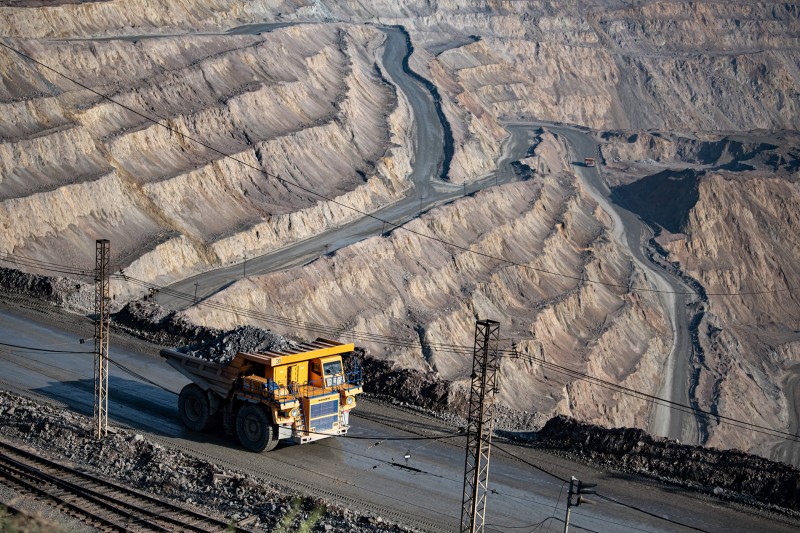
AMMC, often described as a “crown jewel” of the Uzbek economy, said in a statement Wednesday that all cited tenders were awarded to the lowest bidder through an automated government procurement system.
“The winners of the tenders/competitions delivered goods in full – in compliance with the quality indicators stipulated in the contract, and, most importantly, within the timeframes specified in the contract – to the plant's warehouses,” the company said, adding that it had conducted an internal probe.
AMMC did not respond to previous questions from OCCRP and Finance Uncovered regarding contracts worth more than $7 million awarded to two U.K.-registered firms, Lemixton Solutions Ltd and Golders Business Ltd, that feature electronic signatures of accounting associates who deny signing the documents. One of them has since reported the matter to British authorities.
The two firms collectively received over $35 million in tenders and sent dozens of shipments of goods to the Uzbek mining giant despite U.K. financial filings stating they were dormant, OCCRP revealed.
The investigation found both firms were under common control but competed against one another for the same AMMC tenders.
Similar patterns were identified in Georgia, where firms that had won tens of millions of dollars in AMMC tenders were purchased for a nominal amount by a South Korean medical coordinator with Uzbek roots and no apparent experience in the mining sector.
Like the U.K.-based tender winners, the Georgian firms did not indicate any economic activity in financial filings during the period in which they were awarded the tenders.
A representative for the U.K. companies said that a single individual controlled both of the firms. The Uzbek, Colombian, and Georgian figures identified in the report did not respond to inquiries or declined to comment.
The findings raise questions about transparency and oversight in one of Uzbekistan’s key industrial sectors, though AMMC maintains that all procurement processes complied with internal and legal requirements.