

Reported by
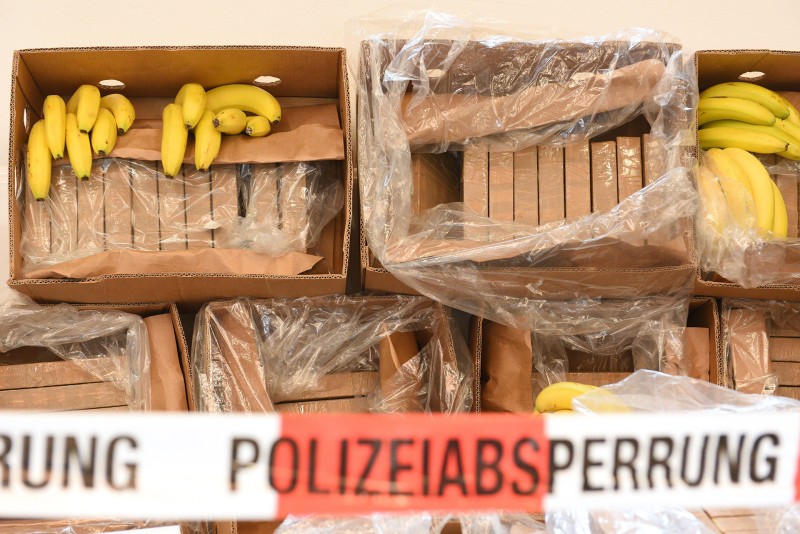
An encrypted chat between alleged Balkan drug traffickers in February 2021 reveals them bragging about having exclusive rights to smuggle cocaine alongside bananas in shipping containers exported by the Ecuadorian president’s family firm.
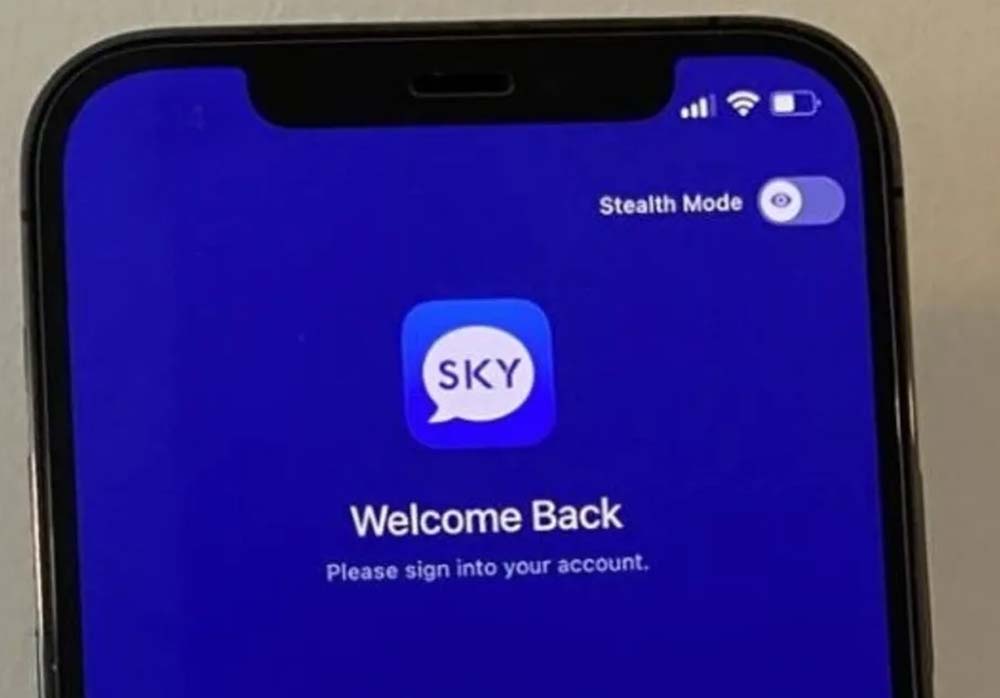
A confidential Croatian prosecution document shows two people, using the encrypted messenger platform Sky ECC and identified only by anonymous PIN numbers, boasting that “no one but them” was allowed to load cocaine in containers shipped by the Noboa Trading Co TCN S.A.
Noboa Trading is part of Noboa Corporation, a sprawling business empire that produces bananas under the Bonita brand and is run by the family of Ecuadorian President Daniel Noboa. Noboa Trading Co. did not respond to questions from reporters, and the office of President Noboa declined to comment.

An excerpt from the encrypted Sky ECC chat quoted by Croatian prosecutors, in which two drug traffickers boast that “no one but them” is allowed to load cocaine in containers shipped by Noboa Trading Co.
While the Croatian documents showed only anonymous PINs, a Serbian indictment exclusively obtained by KRIK allowed reporters to identify one of the interlocutors as Nikola Đorđević, an alleged organized crime figure currently wanted by police in Serbia in an unrelated cocaine smuggling case.
Although it’s unclear exactly how Đorđević and his associates would have accessed the containers of a major fruit exporter, there is evidence that their claim wasn’t just an empty boast.
In their encrypted chats, the alleged traffickers referred to three specific shipments of cocaine they were expecting by date, ship name, and container number. Reporters matched the details shared in their discussions to real Noboa Trading banana shipments using shipping records and export data.
For example, they mentioned a massive 430-kilogram load of cocaine hidden in container MEDU9747725, which they said left Ecuador on January 25. By consulting shipping logs and export data, reporters confirmed that Noboa Trading had indeed shipped that exact container, on that exact date.
All three of the shipments, which were examined in detail by reporters from KRIK, OCCRP and the Investigative Journalism Bureau, were sent from Ecuador’s Guayaquil port aboard the Liberian-flagged container ship MSC Mirella in late 2020 and early 2021, before being transferred to other ships.
In total, they contained 535 kg. of cocaine with a street value of at least 26 million euros. The last of the shipments, containing 60 kg. of cocaine, was seized by Croatian authorities in early March, after being offloaded in Ploče, a port on the Adriatic Sea, according to the Croatian prosecution document.
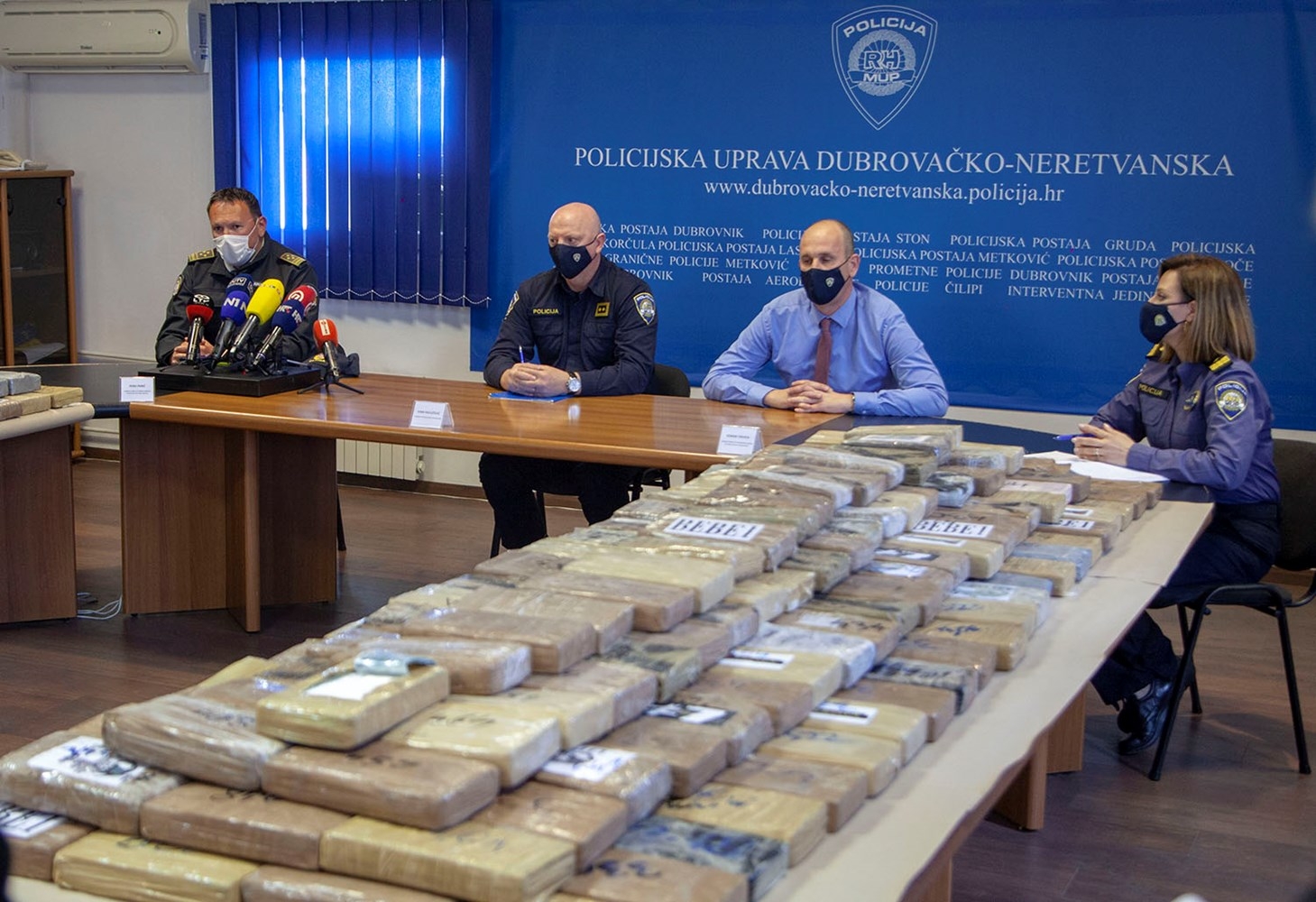
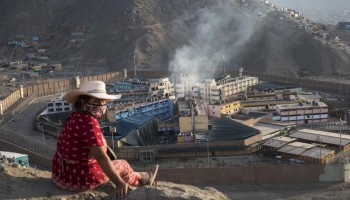
Croatian authorities seizing over half a ton of cocaine at the Port of Ploče in Croatia in 2021.
While Đorđević’s group dealt with loading the cocaine at the source, Croatian prosecution files reveal that a different Balkan drug gang took responsibility for offloading the drugs from the Noboa Trading containers once they arrived in Croatia.
That group was allegedly led by Petar Ćosić, who is currently on trial in Croatia for organizing and leading a criminal organization, aggravated murder, and smuggling hundreds of kilograms of cocaine from Ecuador, including some inside Noboa banana containers. (Ćosić did not respond to a request for comment sent to his lawyer.)
The new evidence provides rare and intimate details of the growing collaboration between criminal groups trafficking cocaine to Europe, and demonstrates how easily supply chains for everyday goods can be compromised.
The cooperation appears to be part of a wider trend towards modular criminal supply chains, according to Anna Sergi, an organized crime expert and professor of sociology at the University of Bologna.
“Groups specialize in origin stuffing, maritime logistics, and local distribution and then sell or barter those capabilities,” Sergi told OCCRP.

This is how alleged drug traffickers from the Balkans joined forces to smuggle almost half a metric ton of cocaine inside a single shipment of bananas that left Ecuador for Croatia in early 2021.
Guayaquil port, Ecuador, January 25, 2021
Container vessel MSC Mirella leaves the port. Among the hundreds of shipping containers aboard is one sent by Noboa Trading Co., carrying a shipment of Bonita bananas.
A Serbian organized crime figure identified by OCCRP and KRIK as Nikola Đorđević arranges for 430 kg. of cocaine to be hidden inside.
It is meant to be offloaded in Croatia by people working for a separate crime group led by a Croatian, Petar Ćosić.
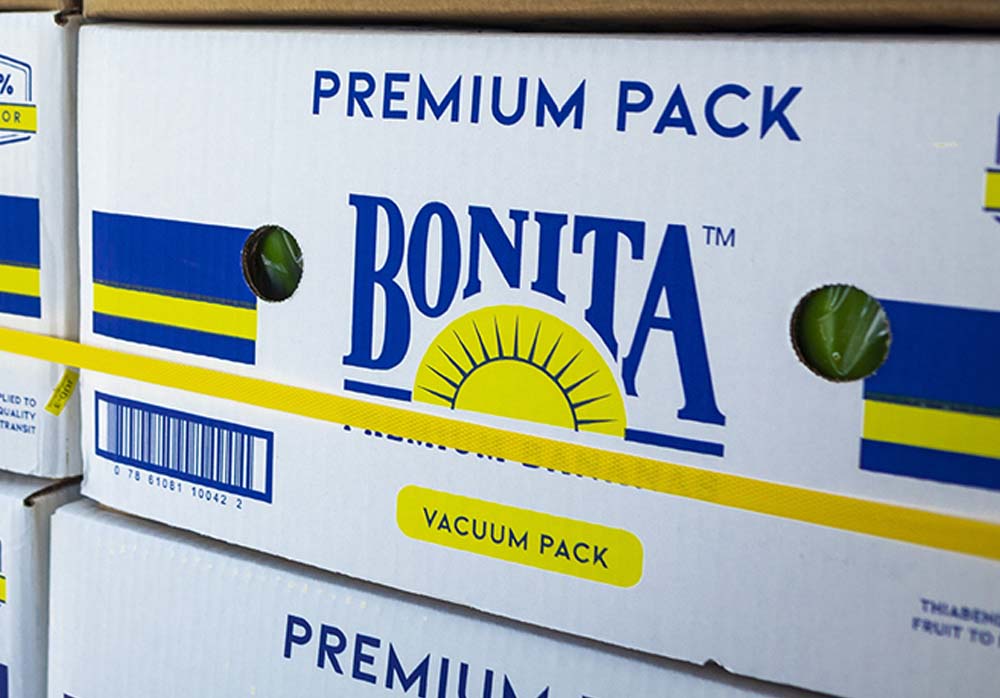
Balboa port, Panama, January 27, 2021
MSC Mirella arrives in Panama, where the shipping container is transferred by train to Cristobal port and moved onto the MSC Jeongmin.
While waiting for the container to arrive in Europe, Đorđević shares photos and videos as proof the cocaine was loaded at Guayaquil.
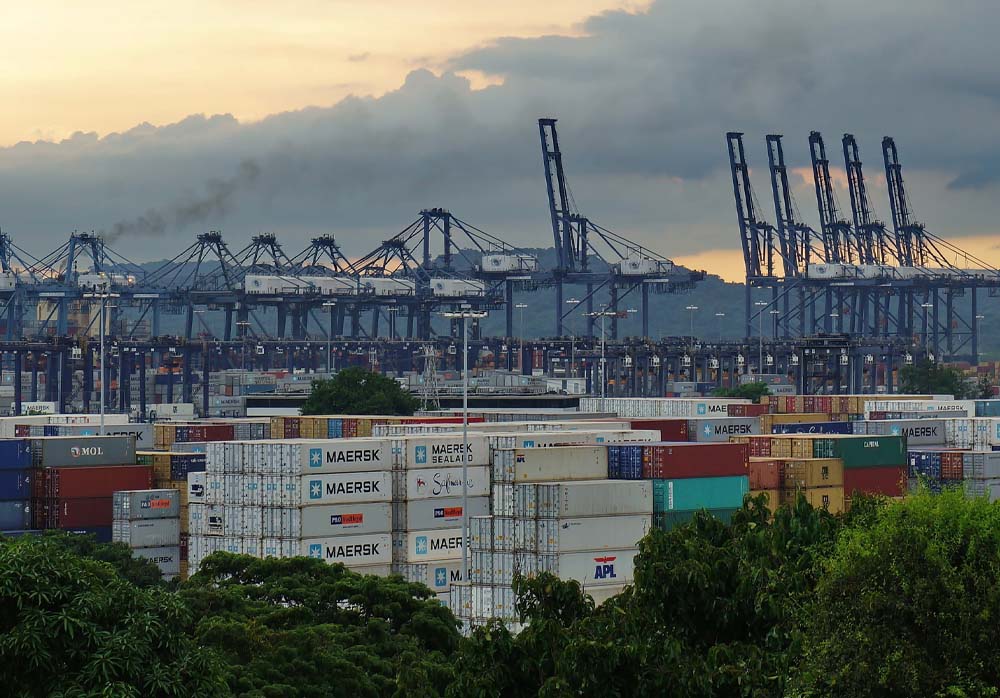
Cristobal port, Panama, February 6, 2021
MSC Jeongmin leaves port. Around the same time, Petar Ćosić says in decrypted chats that his group will take a 20-percent cut of the cocaine shipments in exchange for offloading the various containers once they arrive in Croatia.
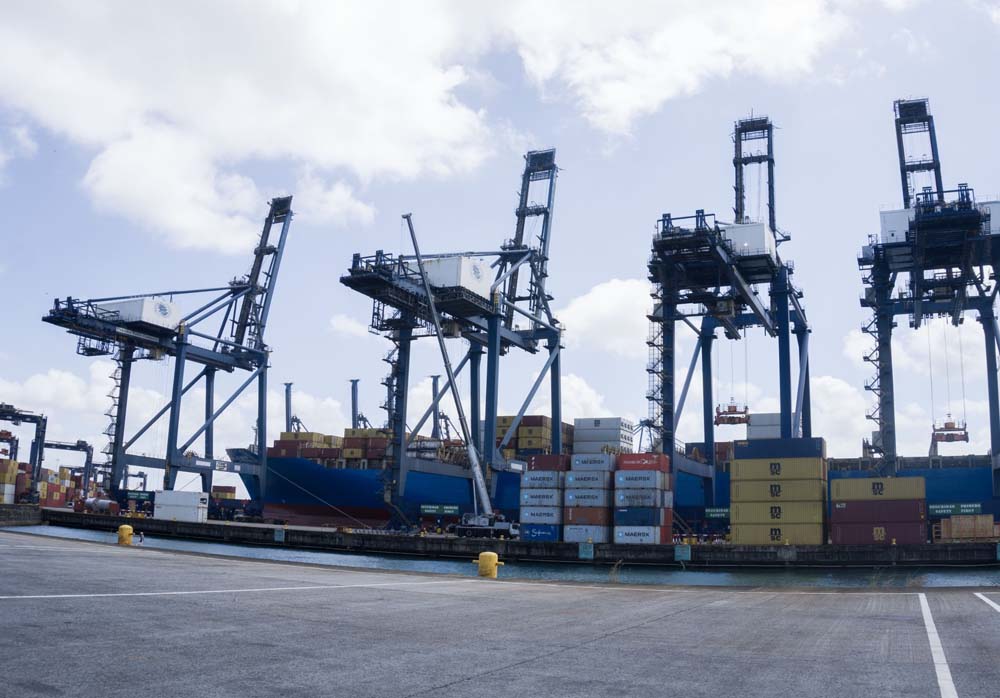
Gioia Tauro port, Italy, February 21, 2021
MSC Jeongmin docks. Traffickers, who have been tracking the container of bananas and cocaine, discuss when it might reach the final destination. The container is transferred to another vessel, Contship Ivy, which leaves the port on February 23 for Croatia.
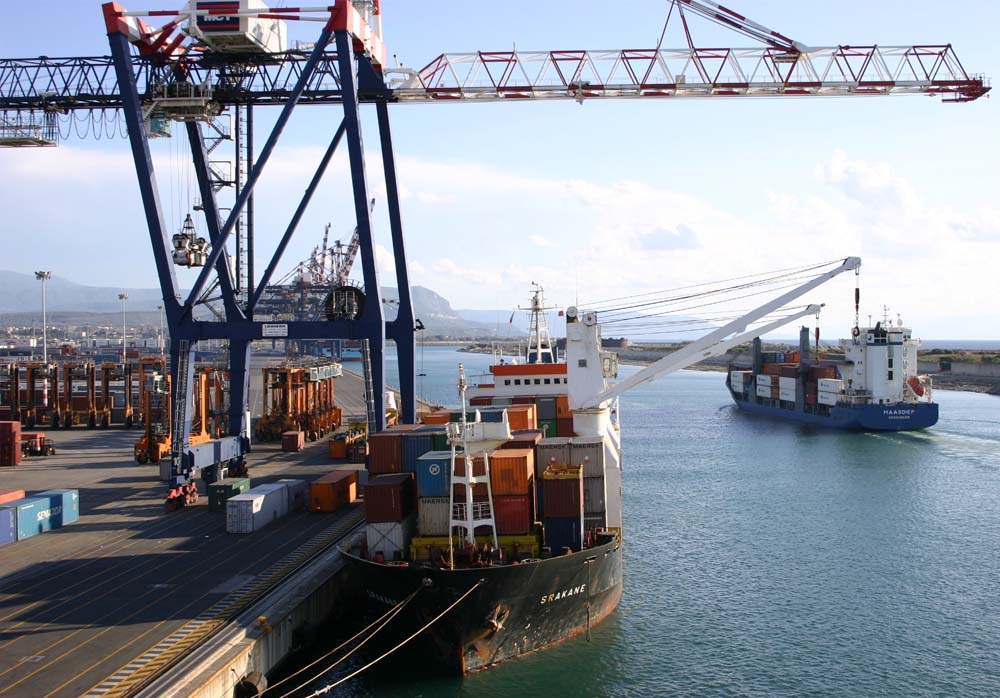
Unknown locations, February 22, 2021
While waiting for the shipment to reach the Croatian coast, Nikola Đorđević, using Sky ECC PIN F0804D, and another unknown person using the PIN C8PU8N, discuss how “no one but them" can put cocaine in containers of the Noboa company.
Rijeka port, Croatia, February 26, 2021
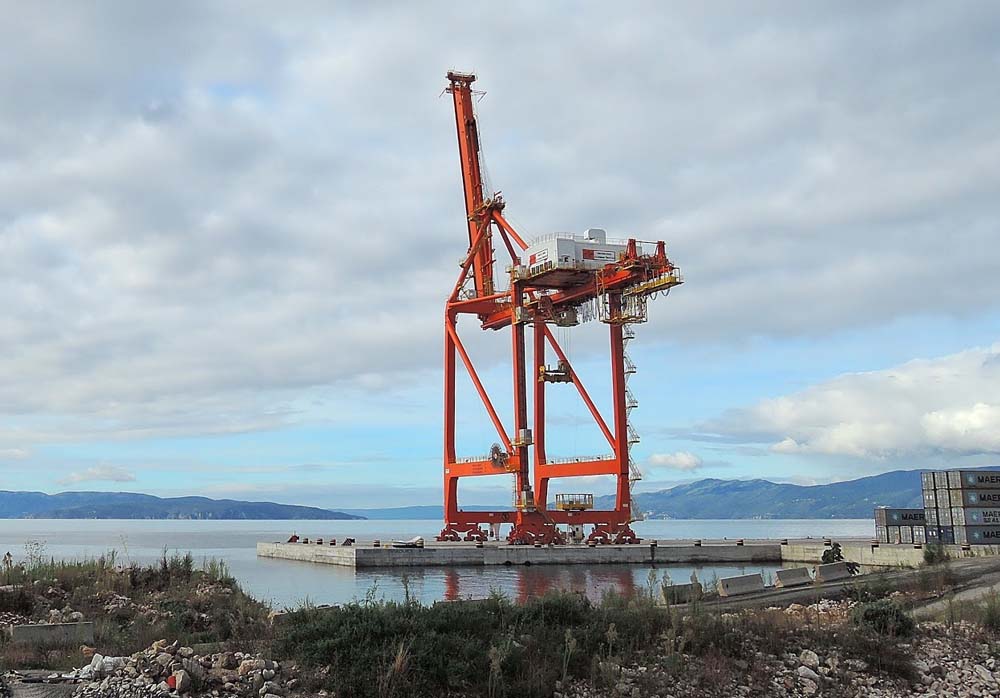
Contship Ivy docks in Croatia with Noboa Trading’s shipping container, containing bananas and 430 kg of cocaine. Croatian prosecution documents indicate that Petar Ćosić and his team, despite waiting for the shipment, did not end up unloading the cocaine, as they believed the operation unsafe.
The criminal hierarchy of the group that took responsibility for the cocaine in Croatia did not end with Ćosić, according to new evidence obtained by OCCRP and KRIK . By cross-referencing Croatian court papers with additional documents from a case in Serbia, OCCRP reporters found evidence that Ćosić was taking orders via encrypted messaging service Sky ECC from a much bigger criminal figure: convicted Montenegrin drug lord Darko Šarić.
Šarić, already a convicted cocaine smuggler, is currently on trial in Serbia for money laundering and jointly organizing four assassinations, among other allegations.

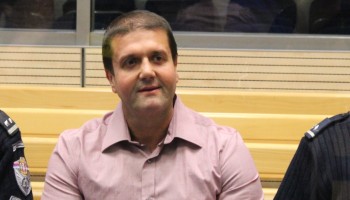
Montenegrin drug lord Darko Šarić.
Serbian prosecutors have accused Šarić of continuing to manage a criminal organization from behind bars using Sky ECC.
Šarić denies these allegations. His lawyer, Dalibor Katančević said that Šarić’s cell had been searched countless times and no evidence had been found of prohibited means of communication.
“I am certain that in all of the prosecution and court files you referred to, you could not have found any undisputed evidence that Darko Šarić is connected to any of the individuals mentioned, nor to any of the alleged shipments,” Katančević said.
How Journalists Identified the Roles of Šarić and Đorđević
Sky ECC, an ultra-secret messaging platform favored by Balkan drug traffickers, was decrypted by a cross-European team of investigators in 2021, unlocking a trove of intelligence that gave law enforcement unprecedented insight into how organized crime groups in the region have been operating.
Bananas and Cocaine
The new disclosure comes at an awkward time for President Noboa, who has pitched himself as an anti-drug crusader, and earlier this year called on US and European armies to join his "war" against what he called "narco-terrorists.”
"The revelations expose a massive conflict of interest for a president who has based his entire political career on a narrative of combating violence and curbing the corrosive influence of drug cartels," said Jake Johnston, director of international research at the Centre for Economic Policy Research.

Ecuadorian President Daniel Noboa during a press conference at Planalto Palace in Brasilia, Brazil, on August 18, 2025.
In March this year, Colombian magazine Raya reported that police seized nearly 700 kg. of cocaine from three Noboa Trading banana containers at the Ecuadorian port of Guayaquil between 2020 and 2022.
During a presidential debate earlier this year, opposition candidate Luisa González repeatedly questioned President Noboa, who was then seeking re-election, over Raya’s allegations.
“Investigate Noboa Trading, where drugs are exported in banana boxes from Mr. Daniel Noboa's company to Croatia and Italy,” González said of the president’s family firm.
President Noboa rebuffed the accusations, saying the company had cooperated in each case and Noboa Trading officials had been exonerated “from any illicit activity.”
He also denied having any personal involvement with the company.
"I am not the owner, but members of my family are in that company,” he said.
President Noboa and the Noboa Trading Co.
While there is no evidence that Noboa Trading was aware of the contraband hidden in its banana containers, Sergi said the findings suggest systemic vulnerabilities at Ecuador’s main port: weak controls, opaque contracting of third-party packers, and informal gate practices that create opportunities for capture by criminals.
“[The decrypted chat] does not by itself prove company management’s involvement,” she said.
“But it does strongly indicate that someone with control over the physical container-stuffing and departure process is complicit or has been captured by criminals.”
Though a Noboa Trading contractor responsible for conducting anti-narcotics inspections has been subject to judicial proceedings at least four times, the person has never been prosecuted.
“If the company cooperates, and alerts the National Police if it has some kind of contamination, that means it is cooperating,” President Noboa said.

Noboa promoting Bonita bananas on their website.
Shipping records show Firma Leon Van Parys N.V., a fruit company registered in Antwerp which is the largest banana purchaser for the Croatian market, was a consignee in one shipment and the notified party in the other two. The company did not respond to a request for comment.
Shipping firm MSC told OCCRP that it remains firmly opposed to the cocaine trade and continues to intensify its security efforts.
“In recent years, the liner shipping industry has dramatically improved its ability to detect shipments of illegal drugs like those referenced in the report thanks to advances in technology and effective partnerships with customs authorities,” MSC said in an emailed response to questions. “The picture today is very different.”
As the world’s largest banana exporter, shipments of the yellow fruit through Ecuador’s busy ports like Guayaquil are an attractive target for cocaine traffickers.
Earlier this year Ecuador’s Ombudsman claimed that as much as 70 percent of the drugs consumed in Europe are now exported from Ecuador, according to an interview with Deutsche Welle.
Though Belgium, the Netherlands, and Spain, remain the major entry points for cocaine into Europe, improved interdiction has prompted traffickers to increasingly use secondary smaller ports.
Just as Balkan gangs have gained a growing foothold in the trade, so has Croatia, with its six commercial ports, become a more popular destination.
As Ecuador’s fourth-largest exporter of bananas, Noboa Trading has found its containers at the center of this phenomenon.
Between 2014 and 2024, the firm and its associated brand names, such as Bonita, exported $190 million of the fruit to Croatia, one of its key markets.
“The more you send to that region, the greater likelihood that the containers are going to be contaminated,” said Bruce Goldberg, a former U.S. Drug Enforcement Administration agent who worked in Ecuador for half a dozen years.
“And Ecuador sends bananas everywhere. Like everywhere.”