Reported by
With the 2026 FIFA World Cup less than two weeks away, authorities across North America are raising alarms over a surge in fraudulent job offers linked to the tournament, warning that human traffickers are exploiting the event to lure vulnerable people into forced labor and sexual exploitation.
In Mexico, federal security officials and the capital’s cyber police have flagged a proliferation of online scams. False promises of immediate hiring, high salaries, and fully paid travel expenses are sweeping across social media, fraudulent websites, and messaging apps like WhatsApp.
The sheer scale of the tournament—co-hosted by Mexico, Canada, and the United States—creates a sudden spike in tourism, transient labor, and service demands that acts as a magnet for criminal networks. Nayely Sánchez Estrada, a senior official with the United Nations Office on Drugs and Crime, said fake job postings frequently serve as the initial trap for severe exploitation.
“In general, when it comes to human trafficking, every time there is a major sporting event—whether a World Cup or the Olympics—the number of people and actions that move and converge is impressive, and that is why risks increase,” Sánchez Estrada told OCCRP.
The threat has prompted coordinated warnings across all three host nations.
Canada’s anti-money-laundering agency recently issued a bulletin urging companies to monitor labor-intensive sectors, including hospitality, construction, cleaning, and security. The agency warned that the sudden surge in demand “may create opportunities for traffickers to exploit vulnerable individuals through deceptive, coercive, or exploitative recruitment,” even within seemingly legitimate subcontracting or temporary staffing setups.
In the United States, the Treasury Department appealed to financial institutions in host cities to remain vigilant for transactions tied to sex and labor trafficking, noting that perpetrators are eager to “exploit the surge in economic activity” brought by millions of visitors.
Beyond severe trafficking, officials are also tracking widespread financial fraud. Mexican authorities cautioned that job-seekers are regularly being conned into paying bogus advance fees for uniforms, visas, or training. Additionally, officials warned that criminal networks may use employment fronts in bars, nightclubs, and escort services to mask illicit operations.
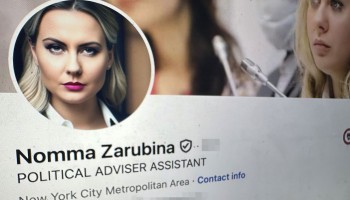
The deception has become so pervasive that it has targeted the tournament’s organizing body directly. Last month, a FIFA employment recruiter took to LinkedIn to warn applicants that scammers were using her name and photograph to run a fraudulent recruitment process and defraud candidates.
In response, FIFA’s official World Cup recruitment channels issued a public clarification, stating that legitimate communications are conducted only through official avenues. The organization emphasized that it never requests payment, financial information, or conducts interviews over messaging apps like WhatsApp or Telegram.
In a race against the clock, sweeping campaigns are now underway across North America to train frontline workers in the hospitality, transportation, and entertainment sectors to spot the signs of exploitation.
“A key focus is encouraging everyone involved to recognize and report suspicious activity,“whether related to potential human trafficking or individuals in restricted areas without authorization,” a FIFA spokesperson told OCCRP.