Reported by
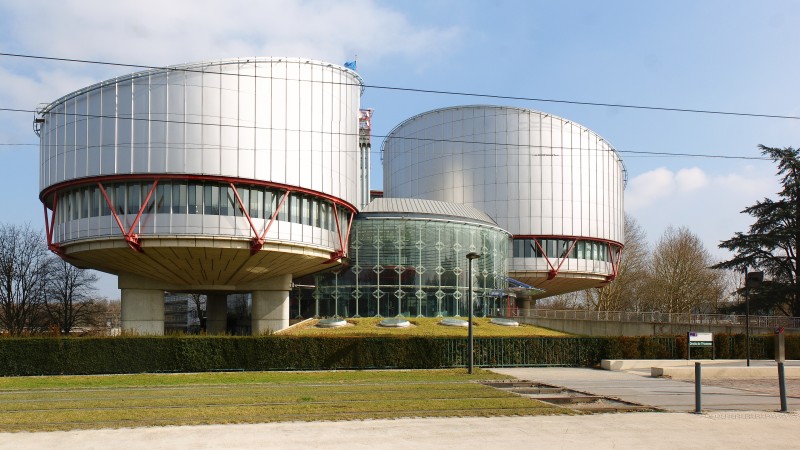
Ukraine’s National Anti-Corruption Bureau (NABU) and the Specialized Anti-Corruption Prosecutor’s Office (SAPO) have completed a pretrial investigation into what authorities call the “Golden Mandarin” case—an alleged scheme to siphon 54.179 million hryvnias (about $1.25 million) from the state budget by misleading the European Court of Human Rights (ECHR).
In a statement, NABU said the scheme ran from 2013 to 2016 and was organized by a former member of Ukraine’s parliament. Investigators allege the group used a company described as having signs of fictitiousness—Zolotoy Mandarin Oil LLC—to present the ECHR with a narrative that the state had failed to enforce a 2009 court decision in a private dispute between Zolotoy Mandarin Oil and Kyivenergo, a major energy company.
NABU said the company’s representative filed an application to the ECHR in September 2013 seeking payment from the Ukrainian state budget, claiming Kyivenergo had not paid the debt for years. Detectives say the company did not pursue genuine enforcement proceedings in Ukraine, and that key facts were withheld from the Strasbourg-based court—including that Zolotoy Mandarin Oil’s assets and accounts were seized amid claims linked to state-owned Rodovid Bank, and that the company’s director had faced criminal charges for alleged financial fraud.
Investigators also allege the group concealed from the ECHR that the right to claim the Kyivenergo debt had been assigned shortly before the application was filed—and that payment had already been received for that assignment. According to NABU, the former lawmaker then struck a deal with senior officials at Ukraine’s Justice Ministry to secure a “friendly settlement” declaration by the government’s agent before the ECHR, effectively acknowledging state responsibility in what prosecutors say was a dispute between private companies over a claim that had already been transferred.
Based on that declaration, investigators say, the state paid 54.179 million hryvnias to a company controlled by the suspects—a second payment for the same underlying claim—and the funds were later laundered through conversion centers.
SAPO said case materials have now been opened to the defense for review, a procedural step that typically precedes an indictment being sent to court.
The investigation has been underway since 2017 and was paused at times while Ukraine sought responses to international legal assistance requests. In January 2020, detectives and prosecutors issued suspicion notices to six people. In July 2023, they notified former MP Heorhii Lohvynskyi as the alleged organizer, after his immunity ended—immunity he held as a close relative of an ECHR judge, according to Ukrainian media reports and watchdog timelines.
In a separate 2024 decision, the ECHR declared Zolotoy Mandarin Oil’s application inadmissible and said the applicant had abused its right to complain. Transparency International Ukraine cited the ruling as bolstering law enforcement arguments, while noting it does not determine criminal liability under Ukrainian law.