Ecuadorian authorities froze the bank accounts of Indigenous and environmental groups during mounting protests over fuel-subsidy cuts and a new mining project, using undisclosed intelligence reports that judges later ruled lacked evidence, Human Rights Watch said Tuesday.
Since September 19, the country’s Financial and Economic Analysis Unit, Ecuador’s financial-crimes agency, has ordered regulators to block accounts belonging to several groups, as well as their leaders and members. The freezes coincided with demonstrations against President Daniel Noboa’s plan to eliminate diesel subsidies and approve a controversial mining project in the southern province of Azuay.
The account freezes were imposed under the Social Transparency Law, passed in August, which allows authorities to suspend financial access without a court order if they claim to have “objective, serious, and verifiable evidence” of suspicious activity. Judges review the decisions only after they take effect.
“Safeguards intended to prevent money laundering should never be used to target civil society groups for their work or to stop peaceful protests,” said Juanita Goebertus, HRW’s Americas director. “These mechanisms should be used to fight crime, not environmental groups.”
The group said courts overturned at least some freezes after authorities failed to submit documentation supporting the allegations.
Organizations said the freezes crippled community programs, halted salaries and disrupted education and environmental projects. Several groups said they learned about the freezes only when trying to withdraw funds or receive donor transfers.
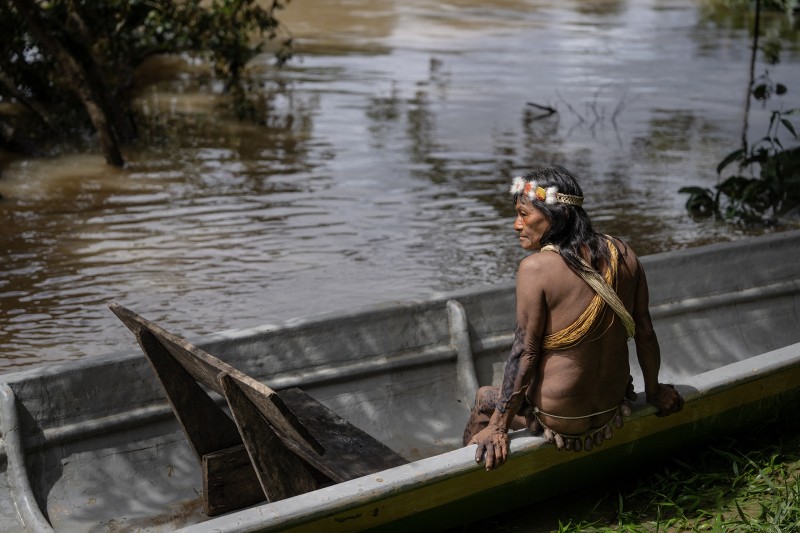
On October 5, the financial-crimes agency froze three accounts belonging to Alianza Ceibo, an Indigenous alliance representing Waorani, Siekopai, A’i Cofán and Siona communities, citing intelligence reports. Funds from EU- and U.S.-backed projects were blocked for weeks until a judge ordered the accounts restored on November 5 after authorities failed to provide evidence.
Authorities also blocked all 14 accounts linked to UDAPT, an organization supporting Amazonian communities affected by oil contamination. A judge lifted the freezes on November 5, but the banking regulator restored access only after repeated judicial orders nearly two weeks later.
President Noboa has said the frozen funds were used to “destabilize” his administration, a claim the affected groups reject. During court hearings, officials from the financial-crimes agency and the National Intelligence Center declined to release information, citing Ecuador’s recently approved Intelligence Law. Civil society groups have challenged that law before the Constitutional Court, arguing it weakens oversight of intelligence operations.
HRW said the freezes appear to contradict guidance from the Financial Action Task Force, which states that measures affecting nonprofit organizations must be “focused, proportionate, and risk-based” and should not disrupt legitimate civil society work.
Several individuals whose accounts were eventually restored now face criminal investigations for alleged “unjustified private enrichment” and “terrorism financing,” with cases opened around the same time as the freezes.
“Prosecutors and judges should make sure these criminal investigations follow due process, are based on credible evidence, and are not used to unduly restrict the work of environmental and Indigenous groups,” Goebertus said.