Authorities in Ukraine, Poland and Moldova, with support from Europol, dismantled dozens of synthetic drug laboratories and storage sites and arrested more than 100 suspects in one of the largest coordinated crackdowns on Eastern Europe’s synthetic drug trade, officials said Thursday.
The operation, conducted February 12–17, targeted a network producing and trafficking synthetic cathinones, including alpha-PVP, a potent stimulant often sold as “bath salts” and associated with high risk of addiction, psychosis, and violent behavior. On the main action day, officers from the Ukrainian National Police and Poland’s Central Bureau of Investigation (CBŚP) carried out coordinated checks at roughly 510 locations.
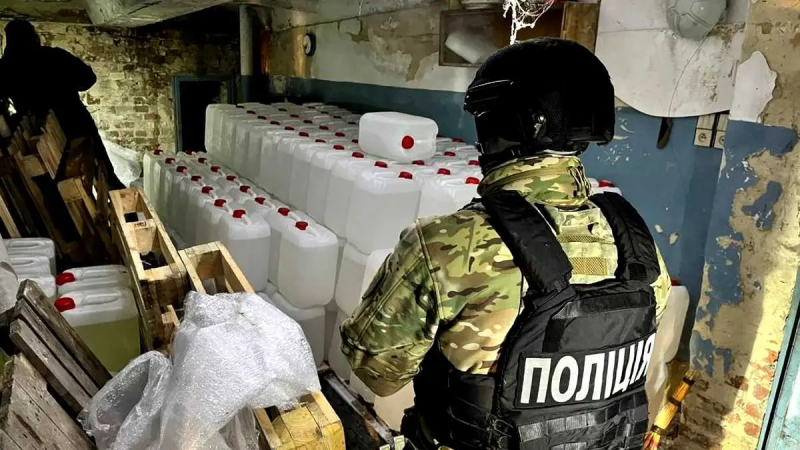
Ukrainian police reported more than 500 searches across 21 regions, dismantling 34 laboratories and 74 storage facilities, and seizing over 27 million doses of drugs, including 220 kilograms of alpha-PVP, 156 kilograms of amphetamine, 17.6 kilograms of mephedrone, seven kilograms of methamphetamine and 47 kilograms of cannabis. Authorities said 97 people were detained during the nationwide operation, and 123 suspects have been formally charged. Investigators also seized nearly $290,000 in several real and virtual currencies and 41 vehicles.
CBŚP said its officers in Poland dismantled two fully equipped illegal laboratories producing mephedrone and alpha-PVP, arrested six suspects, and confiscated drugs, cash and vehicles. Investigators noted the labs posed major public safety risks due to flammable chemicals and environmental contamination.
Ukrainian authorities said the network built a full illegal production cycle, from smuggling precursors from the EU countries to synthesizing and distributing drugs to end users in Ukraine, Poland, and Moldova. Investigators estimated the labs’ combined monthly output exceeded 700 kilograms, with profits surpassing 400 million hryvnias ($9.25 million).
Europol, which provided operational and analytical support during the action days, said the network employed several tactics to facilitate its illicit activities. It misused legal business structures operated by Polish and Lithuanian individuals with prior involvement in synthetic drug production, allowing it to import chemicals—including precursors not yet subject to control—and support illegal laboratories in multiple countries. By operating across several EU member states and exploiting legal loopholes, the group spread the risk of exposure and complicated law enforcement efforts. Europol said it also facilitated real-time data sharing to help dismantle the network’s logistics, sales channels and communications infrastructure.