Reported by
The United Nations warned Monday that Haiti is “rapidly becoming a central hub” for international drug trafficking as gangs in the country expand ties with organized crime networks abroad, amid a worsening security crisis.
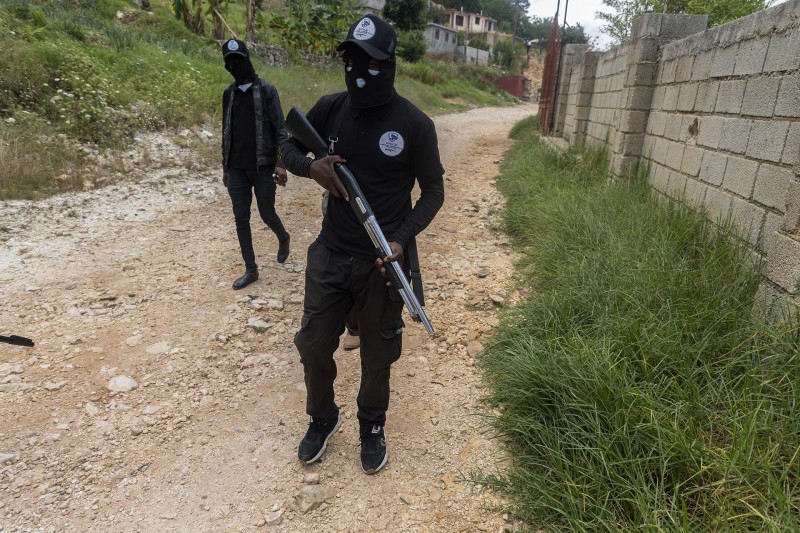
The UN said criminal gangs are increasingly battling for control of territory in the capital and beyond, forcing hundreds of thousands of Haitians into displacement and worsening the nation’s humanitarian and economic crises.
The record seizure of 1.05 tonnes of cocaine by Haitian authorities in July 2025—the largest in over 30 years—highlights the country’s “pivotal role” in the trade. In the following weeks, two Haitian nationals were arrested in Jamaica with more than 1,350 kg of cannabis.
UN investigators said the drugs reportedly originated in South America and were destined for the Caribbean and the U.S. The UN Office on Drugs and Crime also reported trafficking from Haiti to Europe, including the seizure of 1,156 kg of cocaine in Belgium in August 2025 traced back to Haiti.
Haiti’s status as a drug transit hub is long-established. The U.S. has listed the country among 23 major drug transit or production nations for 36 consecutive years, most recently in September, and has classified it a “major drug transit country” since 1989.
The UN expressed new concern over Haiti’s expanding role in multinational trafficking operations, with networks from The Bahamas and Jamaica increasingly involved. The organization said the record seizures “indicate sophisticated, coordinated and established trafficking routes that require a robust regional response by law enforcement agencies.”
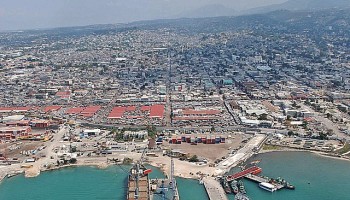
Gangs have “entrenched” themselves along key transit routes in and out of Haiti’s capital, Port-au-Prince, and along the border with the Dominican Republic, using them not only for drug smuggling but also for weapons and migrant trafficking. Some gangs reportedly extort tolls from boats and carry out armed robberies at sea.