Reported by
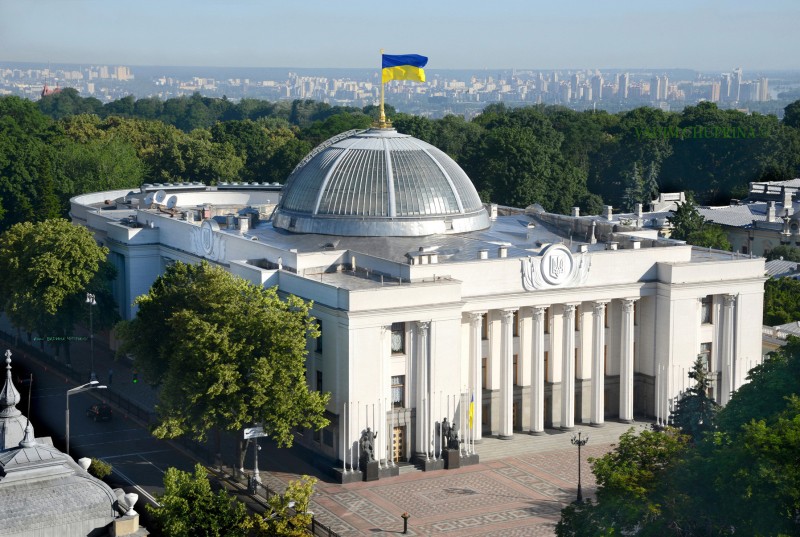
Anti-corruption agencies in Ukraine have completed their investigation into a prominent member of Parliament suspected of orchestrating a sprawling vote-buying scheme, clearing the way for the case to go to trial.
While authorities did not formally name the suspect in their announcement, Ukrainian news media widely identified the faction leader as Yulia Tymoshenko, the two-time former prime minister and head of the Batkivshchyna party.
According to the National Anti-Corruption Bureau of Ukraine and the Specialized Anti-Corruption Prosecutor’s Office, the lawmaker attempted to establish a highly organized bribery network within the legislature starting in December 2025. Rather than negotiating one-off deals, investigators allege the politician proposed a regular payment system. Under this mechanism, selected lawmakers would receive money in advance in exchange for voting as instructed, abstaining, or deliberately skipping parliamentary votes.
Investigators noted that the alleged plot was initiated even as authorities were actively exposing separate cases of illicit payments to members of Parliament.
Having risen to national prominence two decades ago as a leader of the pro-democratic Orange Revolution before serving as prime minister from 2005 to 2010, Tymoshenko is no stranger to legal jeopardy. Over the years, she has faced a litany of accusations—ranging from bribery and the misuse of state funds to murder—though most of the charges were ultimately dismissed.
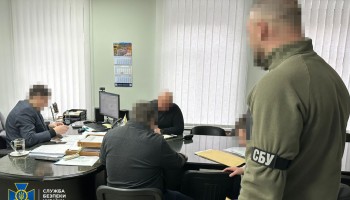
She was officially notified of suspicion in January 2026 and has vehemently denied the allegations, characterizing them as politically motivated. Following police searches of her office, Tymoshenko dismissed the probe as a public relations stunt and a political instruction aimed at undermining her.
Later in January, Ukraine’s High Anti-Corruption Court set her bail at more than 33 million hryvnias, or approximately $800,000, which local media reported was promptly paid on her behalf. The court also authorized the seizure of property taken during the raids, including assets registered to her husband. However, a judge canceled the seizure of $6,300 in cash, returning the money to the family.
With the pretrial investigation now concluded by both anti-corruption bodies, prosecutors are preparing to formally bring the case before a judge, setting the stage for another dramatic legal battle for one of Ukraine’s most recognizable political figures.