Reported by
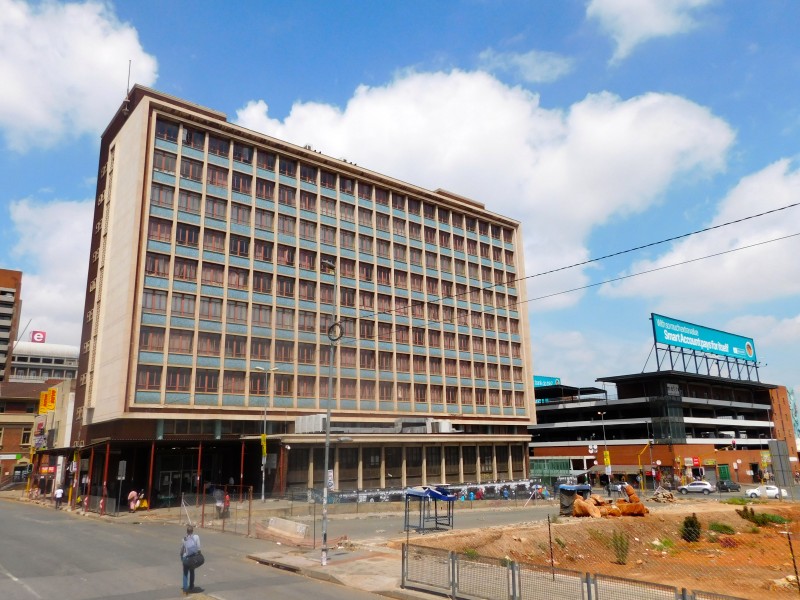
South African lawmakers on Wednesday called for faster investigations into corruption in the Department of Home Affairs after hearing that officials allegedly worked with criminal syndicates to sell visas and other documents.
According to a report presented last months by the Special Investigation Unit, officials of the department had sold visas for the past 20 years, from 2004 until 2024.
“South Africa’s immigration system has been treated as a marketplace, where permits and visas were sold to the highest bidder,” the report said.
Applications were sent via WhatsApp for expedited approval and once approved, money was sent immediately. “Payments were not made directly to officials but funnelled through accounts held by their spouses, deliberately disguising the bribes,” the report said.
Many employees have enriched themselves this way. The bribes allowed them to live a lavish life in mansions they could not afford with the salaries they had.
The Portfolio Committee on Home Affairs said it welcomed the briefings it received on the matter but warned that disciplinary and investigative processes were moving too slowly.
Committee members said the corruption had consequences far beyond the department itself. In a statement, they said fraud inside the immigration system undermined national security, governance, and the rule of law, while also putting added pressure on South Africa’s finances, infrastructure, and public services.
The committee said officials had acted “in cahoots with external criminal syndicates” to sell documents, including visas, and urged that any officials found guilty should be blacklisted from working elsewhere in the state.
The parliamentary statement follows a wave of official and political reaction to the SIU’s interim findings last month.
Home Affairs Minister Leon Schreiber welcomed the report but opposition parties also seized on the findings. The Economic Freedom Fighter, EFF, called the cases evidence of the direct consequences of corruption inside Home Affairs, while the Democratic Alliance characterized the SIU’s findings as proof of a long-running corrupt permit and visa scheme.
Lawmakers said one major obstacle to faster investigations was the lack of integration between key departmental computer systems, which makes it harder to detect irregularities and retrieve information quickly.
They urged the department to accelerate its digital transformation program, arguing that stronger internal controls would help prevent future abuse and allow investigators to move faster.
The committee also said the findings pointed to an urgent need for broad reforms in the permitting unit, while acknowledging that budget constraints had weakened the department’s response.