Reported by
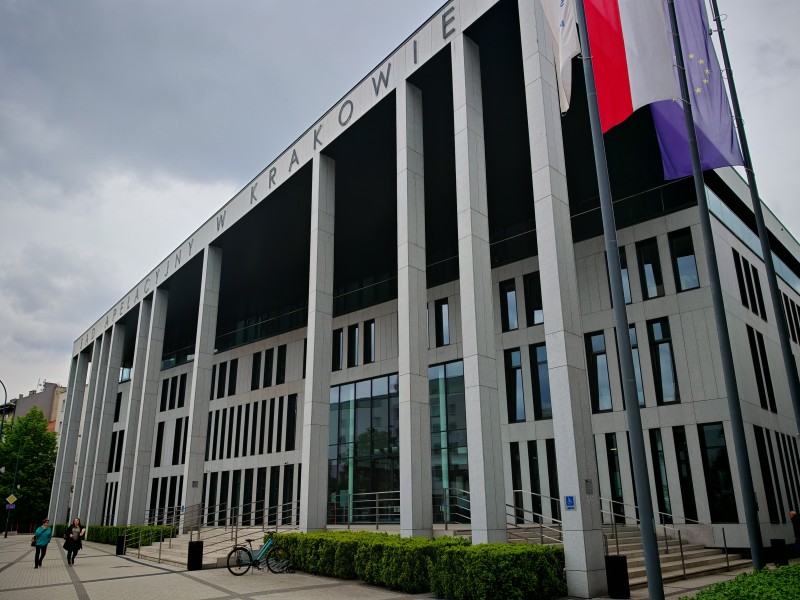
Polish authorities on Thursday detained five court officials in a widening investigation into a multimillion-dollar embezzlement scheme at the Kraków Court of Appeal, marking a new chapter in one of the largest judicial corruption scandals in the country’s history.
The arrests signal that the sprawling graft network, which has already led to dozens of indictments, continues to be an active target for law enforcement.
According to Poland’s Central Anti-Corruption Bureau (CBA), the latest suspects include a deputy director, the head of the court’s IT department, a chief procurement specialist, an acting deputy chief accountant, and an IT specialist. Prosecutors accuse them of operating as an organized criminal group within the judicial system.
The investigation centers on allegations of bribery, fraud, and money laundering used to siphon off public funds. The total losses linked to the broader Kraków court scandal are estimated at nearly 35 million zloty, or about $9 million.
According to the anti-corruption bureau, the fraud relied on a network of fictitious consulting and IT contracts. Companies bound to court insiders by family, social, and financial ties were awarded regular contracts to produce analyses, studies, and IT services that were never actually performed.
To create the illusion of legitimate services and establish a paper trail, the supposed tasks were allegedly reassigned to existing court employees. Once the state paid the outside contractors, portions of the funds were secretly funneled back to court officials as illegal kickbacks.
Thursday’s detentions are not an isolated crackdown. The CBA noted that this specific investigative strand has already yielded a steady drumbeat of arrests in December, February, and March.
The enforcement actions run parallel to a massive, ongoing legal reckoning. In April 2025, a landmark trial opened in the city of Rzeszów involving 43 defendants. Prosecutors in that case outlined a vast criminal organization, allegedly led by the court’s former director, that embezzled state funds through bogus contracts and shell companies between 2001 and 2016.
In total, 57 people were initially indicted across several related dockets. The latest wave of arrests underscores that the scandal involves a deeply entrenched, multi-layered network rather than a single, contained conspiracy.