Reported by
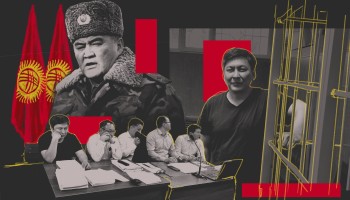
The Supreme Court of Kyrgyzstan on Monday rejected an appeal by the investigative outlet Kloop seeking to overturn a ruling that labeled the newsroom and its founder “extremist,” effectively closing the case against the award-winning media organization.
Kloop’s lawyer, Nurbek Toktakunov, had asked the court to investigate the judges and prosecutors involved in the case, arguing that investigators refused to fully disclose the evidence used to justify the designation against the outlet and its founder, Rinat Tukhvatshin.
According to Toktakunov, the lower court relied on the conclusions of experts who analyzed Kloop’s reporting provided on a damaged CD and a flash drive that was not listed in the official evidence file. As a result, it remained unclear which articles were examined or what specific content had been deemed extremist.
“The courts will not see any violations investigators may commit in cases the president is interested in, so they can carry on violating with impunity,” Toktakunov said after the ruling.
“Because judges follow orders from above that favor the ruling group, they are given the opportunity to profit from corruption and rob the people,” he added.
In October 2025, authorities also designated two other investigative outlets — Temirov Live and Ait Ait Dese — along with their founder, Bolot Temirov, as extremist. Prosecutors argued that the projects showed “criminal communicative intent aimed at overthrowing the current government.”
The decision comes amid a widening crackdown on independent journalism under President Sadyr Japarov, who took office in October 2020. The crackdown intensified over the past two years, when authorities arrested journalists, shut down independent media outlets and handed down prison sentences to reporters.
The country’s deteriorating press climate has drawn international criticism. In 2024, Reporters Without Borders said Kyrgyzstan had fallen more than 50 places in its global press freedom rankings, while Freedom House and other groups have reported a sharp decline in media freedom.