Reported by
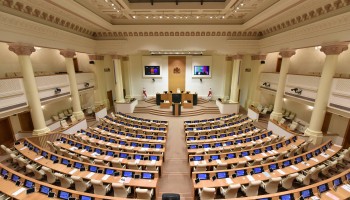
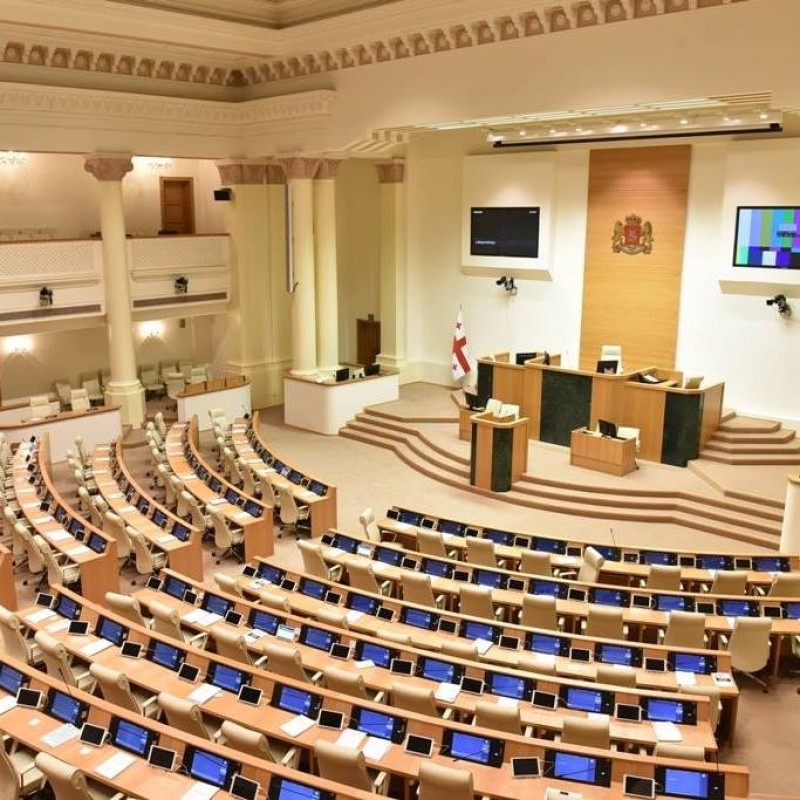
Georgia’s parliament has approved sweeping legislation that gives the government direct oversight of nearly all foreign funding for civil society groups, independent media, and politically active organizations, while criminalizing violations with sentences of up to six years in prison.
The bill, backed by the ruling Georgian Dream party, passed with a large majority; fewer than a dozen lawmakers opposed it. It has now been sent to the President for signature, after which it will come into force.
Under the new law, the government gains broad authority to define what constitutes a “grant.” Any foreign support deemed intended to “exert influence” over public policy—including routine journalism, advocacy, or research—could fall under the legislation’s reach, putting ordinary operations at immediate legal risk.
The law also requires foreign organizations with Georgian branches to obtain government approval before accepting international funding. Entities that bypass the vetting process face fines and other penalties, though commercial transactions are exempt. Organizations with preexisting grants will have one month to apply for government approval, which the authorities must consider within the following month.
Oversight of the law will fall to Georgia’s Audit Office, which recently absorbed the Anti-Corruption Bureau.
The ruling party has defended the measure as a necessary step to close what it calls loopholes allowing foreign influence over domestic politics. “At this stage, financing unrest, violence, or revolutionary processes in Georgia from abroad has become significantly more difficult,” Georgian Dream lawmaker Irakli Kirtskhalia said in January. “However, in practice, we still see certain mechanisms and ways to bypass existing laws.”
Critics say the legislation could stifle independent media and civil society, giving the government unprecedented power to monitor and control funding.
“Today, Parliament adopted amendments that effectively banned not only the activities of organized civil society, but even the most basic forms of civic activism, as the broad and unpredictable norms in the law make any civic activity a potential offense,” said Levan Natroshvili, Executive Director of the International Society for Free Elections and Democracy, ISFED, in his Facebook post.