Reported by
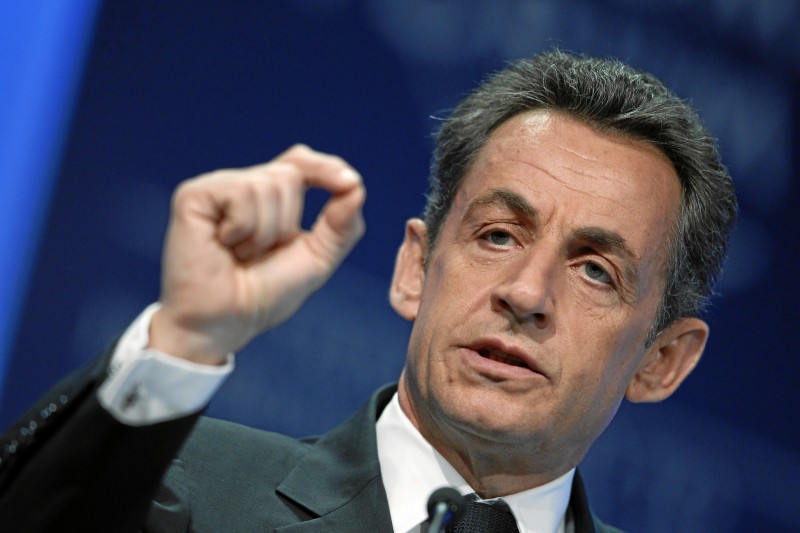
Anti-corruption watchdogs are closely monitoring the historic appeals trial of former French President Nicolas Sarkozy this week, pointing to his conviction for soliciting illegal campaign cash from the Libyan dictator Muammar Gaddafi as a stark reminder that top-level political graft is never a victimless crime.
The 71-year-old former president is challenging a September ruling that sentenced him to five years in prison, a 100,000-euro (about $117,000) fine and a five-year ban from public office. He was acquitted on several other counts due to insufficient evidence, and ultimately spent only 20 days behind bars before an appeals court ordered his release.
For the French anti-corruption NGO Sherpa which joined the case as a civil party in 2013 the trial extends far beyond French elections. It reveals how "some political and economic elites willfully turned a blind eye to the predatory practices of an authoritarian regime and participated in these embezzlements," said Sandra Cossart, executive director of Sherpa.
“By allowing stolen public resources to be used to buy influence networks, political decision-makers — and in this case the Sarkozy clan — weaken democracy, undermine citizens' trust, and contribute to depriving the affected populations of essential resources," Cossart said in an interview with OCCRP.
“The aim is therefore to punish potential perpetrators, denounce corruption and its impact on the rule of law and democracy, but also to remind everyone that corruption has victims," she said. "Corruption impacts people's lives, and in this case, the lives of the Libyan population, because it means less money invested in health care or education, for example.”
The September verdict marked the first time in modern French history that a former president faced actual prison time rather than a suspended sentence. Following the conviction, the French judicial system faced fierce attacks questioning its impartiality.
Sherpa expects the appeal trial to reaffirm that "no one is above the law,” Cossart added.
“It is all the more important to reiterate this given that there have even been attacks against the judicial institution itself, against the independence of the judiciary," she said. "The other important point is to see the justice system operate calmly, with the need for political leaders to take responsibility for upholding the independence of the judiciary."
In a joint statement, the three civil parties in the trial — Sherpa, Anticor and Transparency International France — emphasized the high stakes: “The fight against corruption is not just a matter of integrity; it is a prerequisite for protecting the rule of law and maintaining an effective democracy.”
Cossart acknowledged the grim reality of the case, noting there is "no satisfaction in seeing a corrupt political class, particularly when they interfere with a foreign state, especially a dictatorial state with terrorists at its head."
"But," she added, "there is satisfaction in seeing that the justice system manages to function despite the attacks it faces."
Following Sarkozy’s release in early November, the court imposed strict judicial supervision, barring Sarkozy from leaving France or contacting individuals linked to the case.
The new hearings are expected to continue until early June, with a verdict due in October. If convicted again on appeal, Sarkozy could face up to 10 years in prison.