Reported by
French authorities have opened a landmark criminal investigation into the illegal transfer of funds out of Lebanon, targeting the European subsidiaries of major Lebanese banks in a move that could expose foreign financial executives to prosecution for their role in the country’s economic ruin.
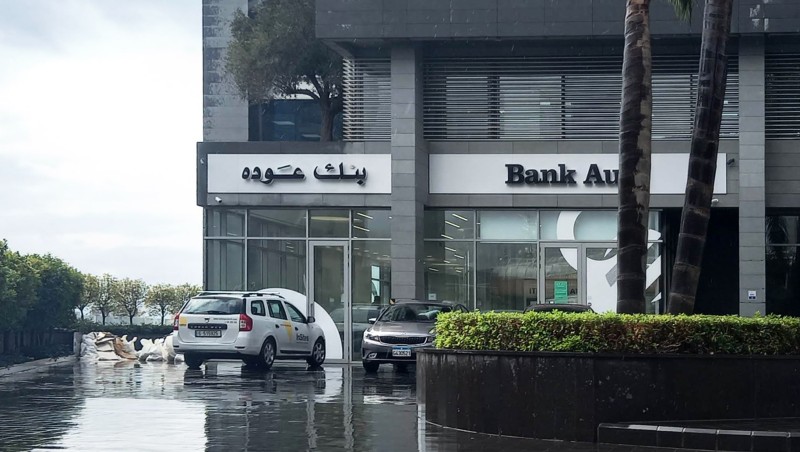
The inquiry centers on the French subsidiary of Bank Audi and Banque Richelieu France, an institution linked to Lebanon’s Société Générale de Banque au Liban (SGBL) and the prominent Lebanese banker Antoun Sehnaoui.
Investigators are examining allegations of money laundering, breach of trust, handling of stolen goods, and criminal conspiracy. The probe represents the latest and most aggressive European effort to untangle the opaque financial maneuvers that drained Lebanon's coffers as everyday citizens were locked out of their savings.
William Bourdon, founder of the Paris-based anti-corruption group Sherpa, which helped spur the inquiry, called the investigation a watershed moment for international financial accountability.
“It represents a first: at the European level, it is the first time that the criminal liability of foreign banks and their executives may be pursued,” Bourdon said, noting that accusations of tax fraud may also emerge as the case develops.
The significance of the inquiry, Bourdon explained, lies in establishing the legal liability of European banking subsidiaries that allegedly participated in unlawful schemes coordinated with their parent companies in Beirut. He predicted the French probe “could also trigger a domino effect,” leading to similar criminal proceedings across other European nations.
The investigation is the latest international attempt to assign blame for the financial meltdown that began in late 2019, an ongoing crisis that the World Bank has characterized as one of the worst in modern global history.
The French inquiry stems from legal complaints filed in July 2025 by Sherpa and the Collective of Victims of Fraudulent and Criminal Practices in Lebanon. Initiated by the Financial Section of the Paris Public Prosecutor's Office, the case is being handled by the Central Office for Combating Corruption and Financial and Tax Offences.
That specialized unit is already managing sprawling proceedings against Lebanon’s traditional political and financial elite, including former central bank governor Riad Salame and former Prime Minister Najib Mikati.
In September 2025, French investigators opened a probe into fraud and money laundering allegations against Mikati and his brother, Taha. That investigation followed an April 2024 complaint—also filed by Sherpa and the Collective—accusing the Mikatis of systematically using offshore companies to acquire illicit assets in France.
While the investigations into the Mikati family and the financial institutions are not formally linked, Bourdon noted that “clear connections exist in terms of the actors involved, the mechanisms at play in these proceedings, and the alleged facts.” He added that formal cooperation mechanisms between the distinct probes could eventually be considered.
“The opening of this investigation also marks a further step in the internationalization of litigation related to the collapse of the Lebanon banking system,” Bourdon said.
The French inquiry compounds the mounting legal troubles facing Sehnaoui. As chairman of SGBL and a titan of Lebanese finance, Sehnaoui is embroiled in a series of international challenges. These include a civil lawsuit filed in the United States against SGBL alleging money laundering and links to Hezbollah, as reported late last year by Daraj, a regional investigative journalism outlet.
The banking probe also unfolds against the backdrop of ongoing criminal proceedings against Salame, the architect of Lebanon's modern financial system, who led the central bank from 1993 to 2023. Salame, who has been sanctioned by the U.S. Treasury Department for financial crimes, remains a central figure in the push for accountability, facing a litany of corruption allegations at home and abroad.
In the latest development in Beirut, an interrogation regarding a legal complaint filed against Salame by current Central Bank Governor Karim Souaid was postponed to May 4. The 75-year-old Salame failed to appear for the hearing, with his legal team citing medical reasons. That complaint centers on accusations of illicit enrichment and the embezzlement of central bank funds through a network of offshore shell companies.