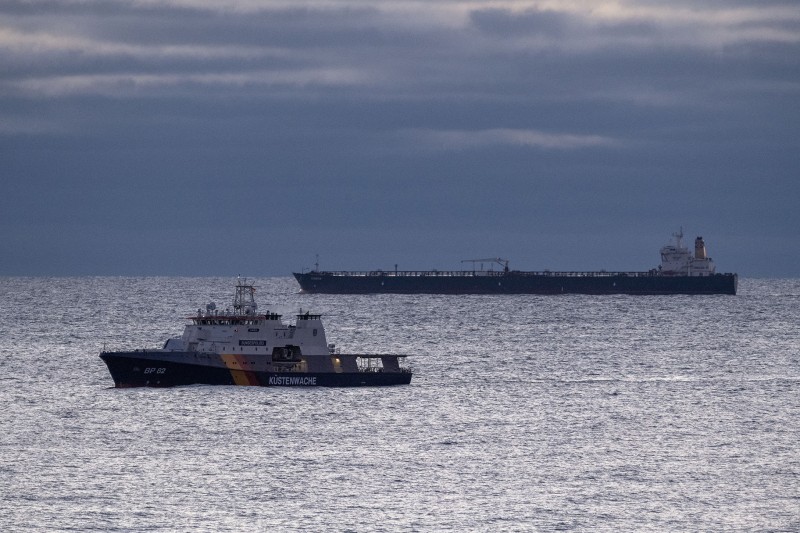
During the past couple years, a wave of newly established Azerbaijani firms quietly took charge of the safe management of dozens of oil tankers that are now under EU and U.K. sanctions for their role in Russia’s “shadow fleet” operations.
Brussels and London have targeted the tankers for their involvement in shipping Russian crude oil and petroleum products. Those exports have been sanctioned in response to Russia’s full-scale invasion of Ukraine in 2022.
At least 31 International Safety Management (ISM) companies were registered in Azerbaijan between 2023 and 2025, according to documents obtained by reporters.
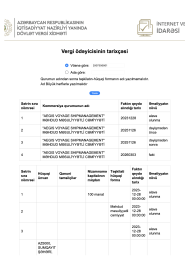
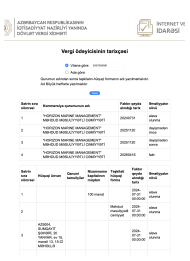
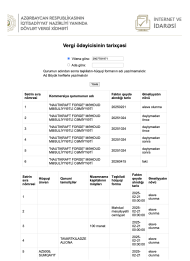
The companies managed sanctioned vessels — either before or after the ships were targeted between 2024 and 2026 — according to Equasis, an international agency that monitors shipping for safety reasons.
Seven of these companies no longer serve as managers for sanctioned vessels, having passed on the responsibilities to others among the 31 Azerbaijan firms.
Isaac Levi, who leads Europe-Russia policy at the Centre for Research on Energy and Clean Air , told OCCRP that ISM companies are the “operational backbone of shipping.”
They handle “safety compliance and crewing to maintenance and insurance coordination,” he said, but in the shadow fleet, they also “often provide a layer of operational legitimacy that can obscure who ultimately owns or controls the vessel.”
He added the owners of these firms choose opaque jurisdictions, because they offer “anonymity, weak disclosure rules, and limited regulatory scrutiny… all of which make it easier to obscure who is really operating or profiting from a vessel.”
“In the shadow fleet, that lack of transparency is often a purposefully built in feature and way of reducing risk of being sanctioned,” Levi said.