Reported by
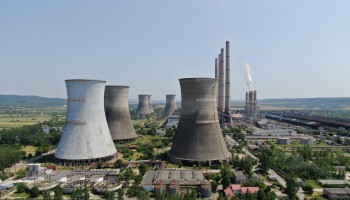
Romanian prosecutors have charged two subsidiaries of Kronospan, one of the world’s largest producers of wood-based panels, with venting carcinogenic gases into residential areas and falsifying environmental records to conceal the pollution.
The indictment, sent to trial following a two-year investigation, targets Kronospan Trading and Kronochem, along with two company employees tasked with environmental oversight. Authorities accuse the firms of releasing nitrogen oxides and formaldehyde - hazardous chemicals used in timber processing - at levels up to three times the legal threshold between 2022 and 2023.
According to prosecutors, the industrial giant maintained the illusion of regulatory compliance through fraud. Whenever internal monitoring registered illegal pollution spikes, staff allegedly withheld the findings and repeated testing until favorable numbers were achieved.
“Only values favorable to the company were transmitted to state authorities, thus creating the appearance of compliance,” prosecutors said in a statement. An expert report compiled for the investigation warned that the unmonitored chemical releases were severe enough to "endanger human life or health," particularly in neighboring urban neighborhoods.
The case stems from a 2023 raid of Kronospan’s local headquarters after authorities uncovered suspicious discrepancies in the company's self-reported emissions data. Kronospan operates two massive manufacturing hubs in Romania, processing millions of cubic meters of raw timber annually into paneling exported across Europe.
In a statement provided to OCCRP, Kronospan rejected all allegations and expressed confidence that the company would be cleared in court.
"Both companies operate using Best Available Techniques on all production lines and have invested over 80 million euros in de-pollution equipment," the company said, adding that emissions undergo continuous monitoring in its on-site laboratories.
A Romanian court will now evaluate the prosecution's evidence against Kronospan's defense to determine whether the timber producer subverted federal environmental safeguards and exposed nearby residents to toxic risk.